

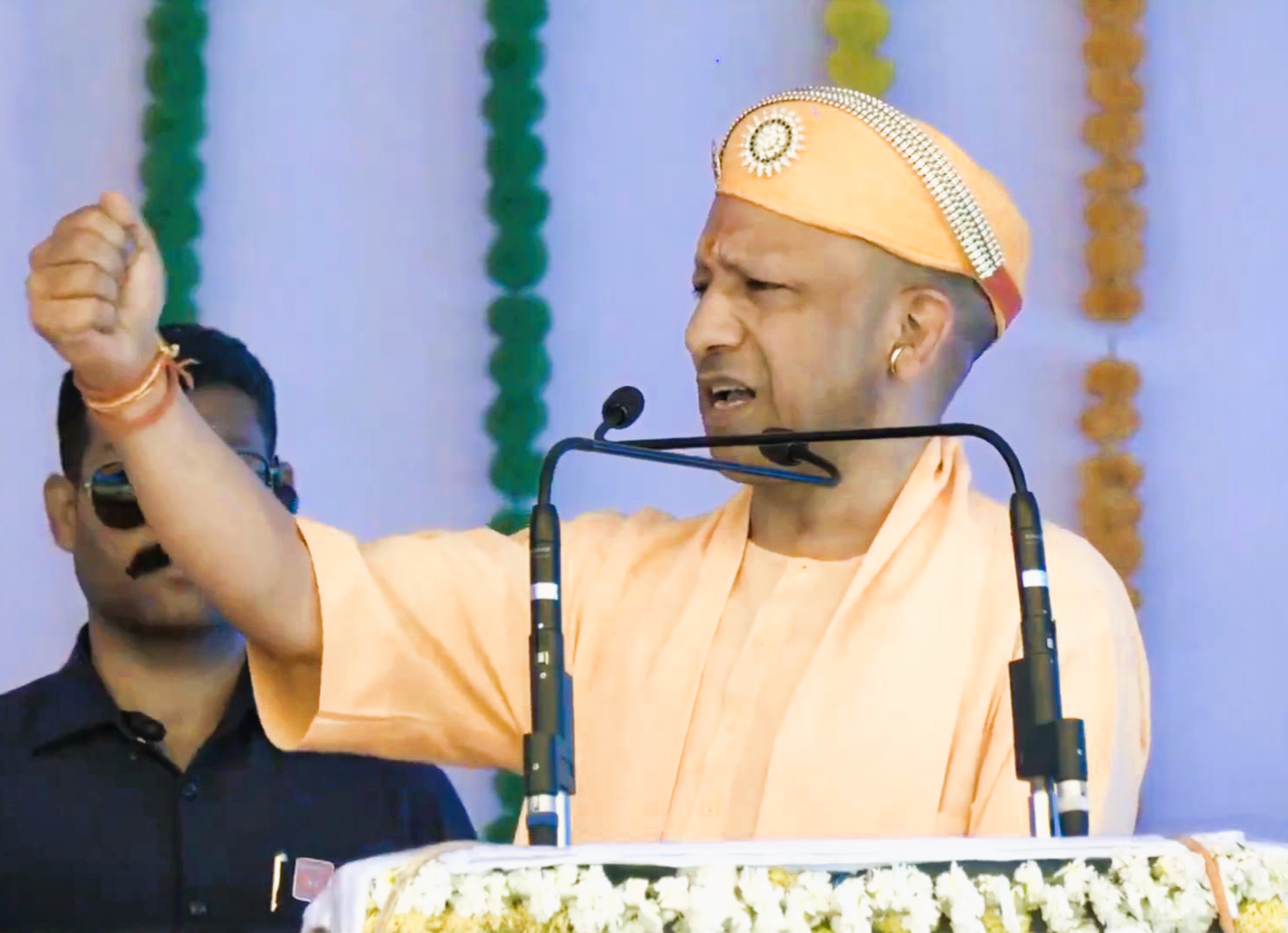

Lucknow, March 23: In the cabinet meeting held on Monday under the chairmanship of Chief Minister Yogi Adityanath, Ordinance 2026 was approved to amend Section 80 of the Uttar Pradesh Revenue Code, 2006. Under this important decision, the process for non-agricultural land use change in development authorities, industrial development authorities, regulated areas, and areas under the Uttar Pradesh Housing and Development Council has been simplified.
Now, there will be no need for a separate land use change in these areas. If the map of a plot is approved by the authority, then that will be considered a land use change. Previously, people had to go through a dual process (first land use change and then map approval), which consumed a lot of time and resources.
Finance Minister Suresh Kumar Khanna stated that the new system integrates all formalities into the map approval process. This will not only provide significant relief to the public but also make the process easier and more transparent for investors. This reform will boost investment in the state, accelerate industrial establishment, and give a new direction to Uttar Pradesh’s industrial development.
UP Cabinet Meeting: ‘Reused water’ in UP will be used for purposes other than drinking
In a cabinet meeting held on Monday under the chairmanship of Chief Minister Yogi Adityanath, the state government took a major step and prepared to implement a new policy for the safe reuse of treated water. The objective of this policy is to treat and reuse wastewater from homes and industries, thereby reducing the pressure on drinking water resources.
The demand for water in the irrigation, domestic, industrial, and energy sectors is continuously increasing in the state. In this context, the government has planned to promote the safe use of treated water through Sewage Treatment Plants (STPs) and Faecal Sludge Treatment Plants (FSTPs).
Under the policy, wastewater generated in cities and rural areas will be treated and used for municipal use, construction, horticulture, and irrigation in the first phase. In the second phase, it will expand to sectors such as industry, agriculture, and railways. In the third phase, water supply for non-potable use will be ensured through dual pipe systems.
The Yogi government aims to strengthen water management through technology and innovation. This initiative will not only conserve clean drinking water but also reduce pollution in water bodies. This will promote water conservation and reduce energy consumption.