


Jodhpur, November 11: The Scientists at the Indian Institute of Technology (IIT) Jodhpur have made a major breakthrough in understanding the working mechanism of the centrosome, the cell’s mission control center. This research is expected to open new avenues for the treatment of cancer and rare genetic diseases.
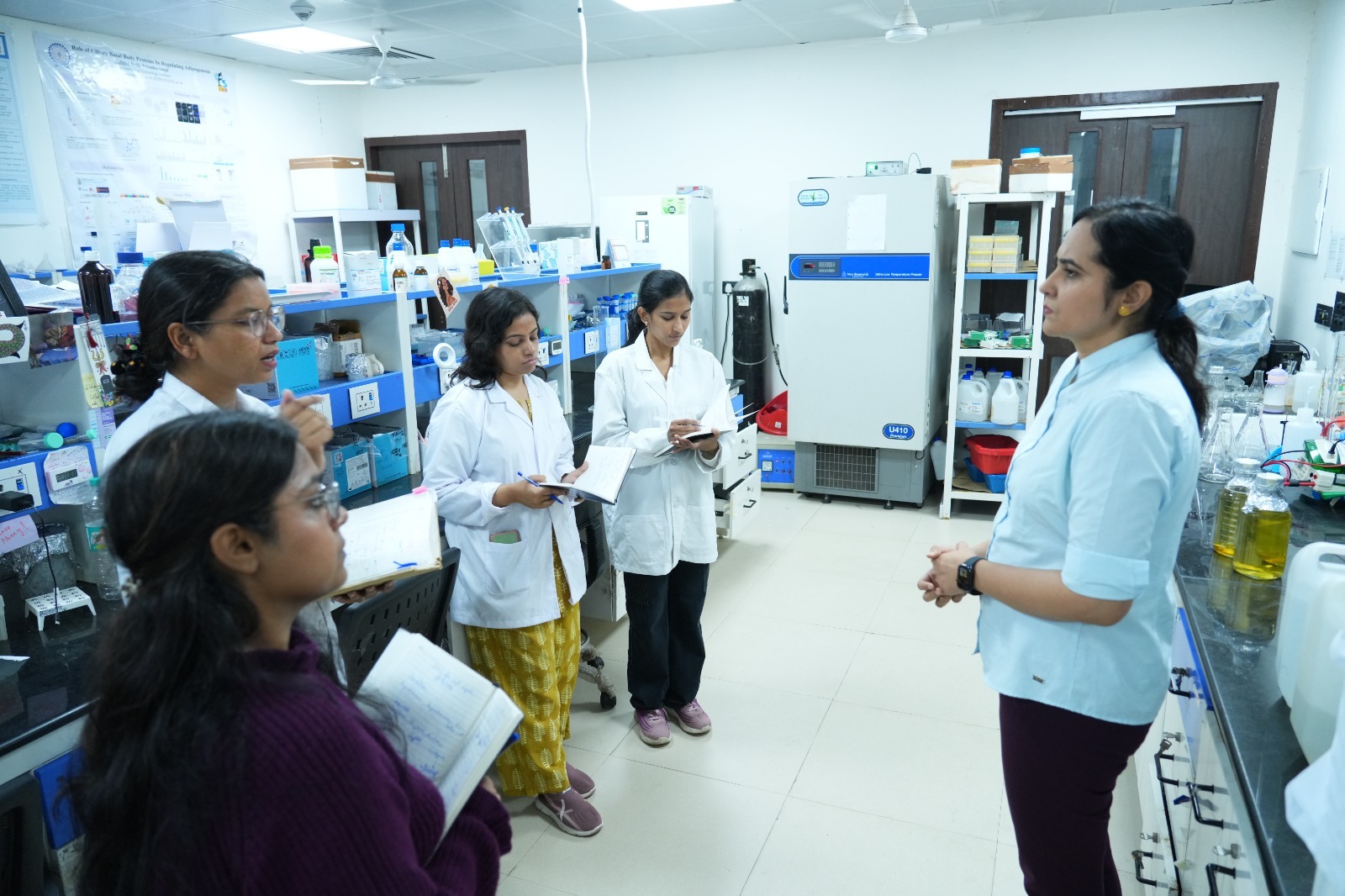
Dr Priyanka Singh, Associate Professor in the Department of Bioscience and Bioengineering at IIT Jodhpur, and her team studied the structure and functioning of the centrosome and revealed that this microbiological center controls cell division and growth. When this balance is disrupted, serious diseases like cancer and microcephaly arise.
According to Dr Singh, we want to understand the precise blueprint of cell functioning so that cancer can be stopped where it starts and healthy cells are not harmed.
The team found that the PLK4 protein is a key switch for cell division, while a new connection between the STIL protein and the BRCA1 tumor suppressor protein suggests that this system itself plays an anti-cancer role within the cell.
Furthermore, the research revealed that mutations in the CPAP protein affect the number or size of centrosomes, leading to developmental disorders and rare diseases. The team also identified chemical compounds that can normalize the abnormal number of centrosomes, opening a new direction for future targeted anti-cancer therapies.
This research was conducted in collaboration with Dr Sandeep Murarka of the Department of Chemistry at the IIT Jodhpur, whose team is developing new chemicals as alternatives to drugs like Taxol. Preliminary results have shown that these compounds are capable of inhibiting cancer cell growth even at low doses. Dr Singh’s lab is currently establishing a national network with clinicians and scientists to facilitate early diagnosis and identify genetic patterns of centrosome-related rare diseases in India.
Dr Singh says that the centrosome is truly the cell’s command center. If we understand how it makes decisions, we can rewrite the rules of diseases—from cancer to rare developmental disorders. This research at IIT Jodhpur is not only a historic step forward in cell science, but also elevates India’s scientific capabilities in the fields of oncology, neurology, and regenerative medicine.